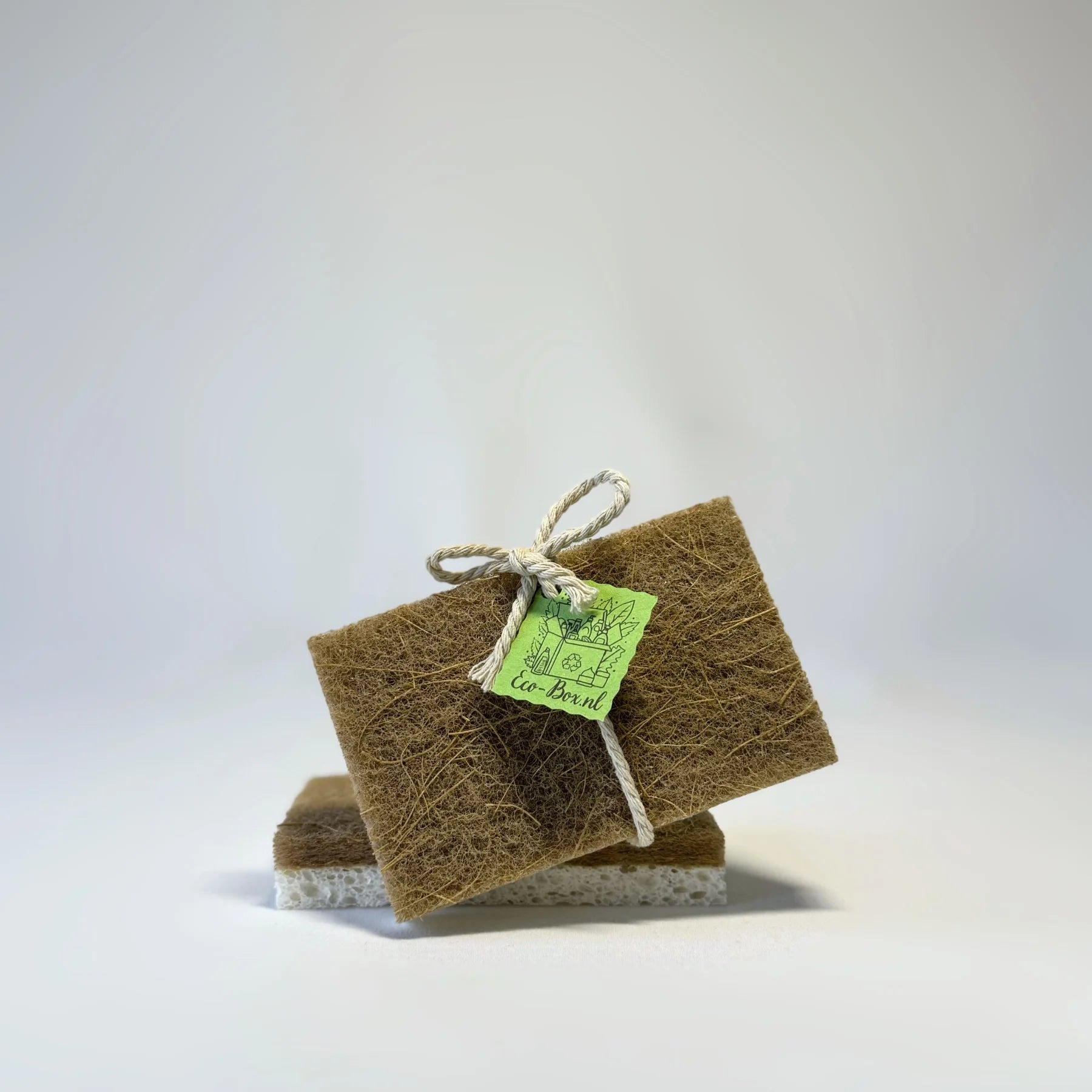
Cotton Sponge 100% Cotton – Plastic-free & Compostable
-
Free shipping in the Netherlands from €50
Rotterdam & Schiedam: delivered today for orders placed before 3 p.m.
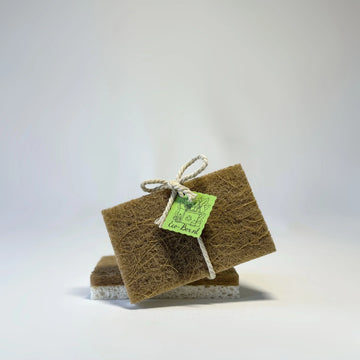
Sunflower Cotton Sponge 100% Cotton – Reusable & Plastic-Free
Soft, scratch-resistant 100% cotton sponge for daily cleaning. Replaces disposable sponges and contains no microplastics. Ideal for dishes, glasses, pans, and bathroom surfaces.
- 🧽 Scratch-resistant: Soft cotton fiber protects non-stick coatings, glass and delicate surfaces.
- 🌿 Plastic-free: 100% plant-based cotton — no microplastics in the drain or environment.
- ♻️ Compostable: biodegradable in compost at the end of its life.
- 💧 Washable & quick-drying: Machine washable up to 60°C — air dries quickly and retains shape.
*Guideline for proper care (rinse well, squeeze out, and let dry completely between uses). All product information is provided by the manufacturer. Check the label for current information.
Why choose a cotton sponge?
Recognizable?
- You wash dishes — the plastic sponge leaves microplastics in the water and nature.
- Disposable sponges get dirty quickly and smell musty — you'll need to replace them every few weeks.
- You're looking for a scratch-resistant sponge for non-stick pans, but most are too coarse.
How this helps
- 100% cotton contains no plastic — no microplastics in the drain or environment.
- Washable up to 60°C: hygienically clean after every wash — less likely to become musty.
- Soft cotton fiber won't scratch — safe for non-stick surfaces, glass, and delicate surfaces.
Who is this cotton sponge for?
- If you wash dishes daily and want to avoid microplastics, you're looking for a plastic-free, reusable sponge that doesn't release plastic into the water.
- Households with non-stick pans: you want a soft sponge that won't scratch sensitive coatings.
- People who want to replace disposables: you are looking for a sustainable alternative that can be used 100+ times.
- Fans of natural materials: you consciously choose plant-based, compostable products.
Quick comparison
For streak-free results • glass & mirrors
Collection All Sustainable Dishwashing ProductsDishwashing liquids • Sponges • Brushes
Instructions for use
- 1. Wet: Rinse the sponge with water and squeeze out excess water.
- 2. Cleanse: Use with water or a mild cleanser — cleanse in gentle, circular motions.
- 3. Rinse: rinse thoroughly under running water after use.
- 4. Dry: Squeeze out the water and let it air dry (preferably hanging or upright).
Suitable for: dishes, glasses, pans (including non-stick), countertops, tiles, faucets, and shower screens. For thorough cleaning: machine wash up to 60°C (no fabric softener).
Maintenance table cotton sponge
| Situation | Recommended maintenance |
|---|---|
| Light daily use (dishes) | Rinse well, squeeze out and allow to air dry completely. |
| Normal use (kitchen & bathroom) | Wash regularly at 60°C in the washing machine (without fabric softener). |
| Heavy / stubborn dirt | If necessary, soak briefly in a mild soda solution (1 tablespoon of soda per litre of water), then wash at 60 °C. |
With proper care: approximately 100+ cleanings over a period of 3–6 months. Replace the sponge if it loses its shape or becomes significantly discolored.
How does a cotton sponge work?
- Natural fibers (cotton): effectively absorb water and detergent — work mechanically by loosening dirt.
- Soft texture: cotton fiber does not scratch sensitive surfaces such as non-stick coatings, glass or lacquered furniture.
- Quick-drying: Cotton air-dries quickly — reduces the risk of mold and musty odor compared to thick plastic sponges.
- With proper care: maintains absorbency for 100+ cleanings (3–6 months with daily use).
Material & specifications
Material: 100% cotton (vegetable).
Dimensions: approx. 12×8×2 cm (dimensions may vary slightly due to natural material).
Colour: natural beige/ecru.
Contains no perfumes, dyes or detergents — works mechanically with water or mild cleanser.
Environmental impact
- Reusable: 1 cotton sponge replaces 100+ disposable sponges — less plastic waste and CO₂ emissions from production.
- Compostable: biodegradable at the end of its life in compost or organic waste.
- Plastic-free: 100% plant-based cotton — no microplastics in drains, sewage treatment plants, or nature.
- Low water and chemical consumption: effective with just water or a small amount of mild dishwashing liquid — less chemical load per cleaning session.
Safety & storage
- Do not soak in standing water for extended periods: cotton can become moldy if exposed to moisture for extended periods — rinse and dry.
- After use, rinse and allow to dry completely: prevent mold and musty odors by air-drying the sponge (hanging or upright).
- Do not use on very hot surfaces: cotton may burn on direct contact with hot pans or stovetop — allow to cool first.
- Storage: Store in a dry, well-ventilated area. Keep out of reach of young children (choking hazard).
Frequently Asked Questions
-
What is the difference between this sponge and a microfiber cleaning cloth?
Cotton sponge: absorbent, ideal for dishes and wet cleaning. Microfiber cloth: streak-free, ideal for glass and dry cleaning. -
Does the sponge scratch non-stick pans?
No, the soft cotton fiber is scratch-resistant during normal use — if in doubt, test on a small area first. -
How many times can I wash the sponge?
With proper maintenance (rinsing, drying, regular washing at 60°C): 100+ cleanings over 3–6 months. -
Why does the sponge smell musty after a few days?
Cause: Insufficiently dried between uses. Solution: Squeeze well and air dry (hanging or upright). Wash at 60°C to remove bacteria. -
Can I use the sponge with aggressive cleaning agents?
Cotton is resistant to mild to normal detergents. Avoid bleach and strong acids (they can damage fibers). -
How do I compost the sponge at the end of its life?
Cut into small pieces and add to compost or organic waste. 100% cotton biodegrades within a few months.